I sold my house but can’t find my original closing cost statement
Updated July 08, 2026 by David E. Du Val, EA
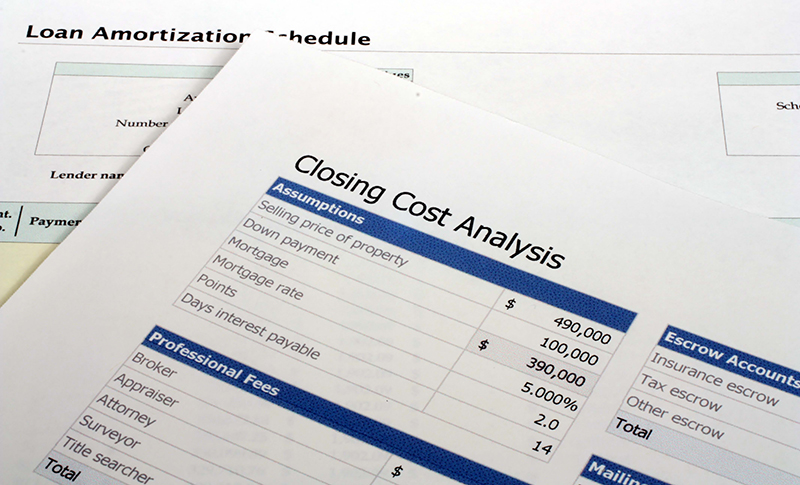
I bought a house in 1998. I sold it in January 2025. Long story made short, I cannot find my original closing cost statement dated November 1998. How do I find it? I also don't remember the original lender, and I have refinanced twice. The info is needed for my 2025 tax return.
Kathleen
Kathleen,
Finding a document from nearly 30 years ago is daunting, but you are right to be diligent. Guessing your "basis" (the original cost of your home) can lead to significant headaches with the IRS if your net capital gains exceed the exclusion limits (more on that later). However, it is important to determine the correct basis for your home to avoid any issues down the road if the IRS audits your return.
Since you purchased your home in 1998, you are looking for a document called a HUD-1 Settlement Statement. For those who bought a home with a mortgage after October 3, 2015, you would have received a Closing Disclosure instead of a HUD-1 statement. HUD-1 statements are still used for some real estate transactions, such as reverse mortgages, home equity lines of credit (HELOC), or when a manufactured or mobile home is purchased, and the mortgage is not secured by real estate. Here is how to find it or recreate your HUD-1 statement.
1. Start with the Title Company, your Real Estate Broker, or the County Recorder
Even with two refinances and a lost lender name, several entities might still have your file:
- The Title Company or Closing Attorney: This is your strongest lead. Check your old deed (available at the county office) to see which title company handled the 1998 transaction. Even if they’ve been bought out, the successor firm often maintains digital archives.
- The County Recorder or Registrar of Deeds: While they won't have your full closing statement, they have the 1998 Deed. This public record usually lists the sale price or has "documentary transfer tax" stamps that allow you to calculate the exact purchase price.
- Your Real Estate Brokerage: If the agency you used in '98 is still around, their principal broker may have archived records. However, many purge files after 7–10 years.
2. Reconstruct the Numbers
If the original paperwork is truly lost, the IRS allows you to reconstruct your basis using reasonable estimates and the following documentation.
- Property Tax Records: Most county assessors have historical data online. Look for the "assessed value" or "last sale price" from 1998.
- Bank Archives: If you still use the same bank from 1998, they may be able to pull microfilm records of the original down payment check.
- Old Real Estate Listings: Some sentimental folks save the real estate listing clippings from the time of purchase. While this information in and of itself doesn’t provide you with the exact purchase price, it provides a ballpark, especially if nothing else is available.
- Home Improvements (The "Adjusted" Basis): Your basis isn't just the 1998 price. It includes capital improvements (e.g., a new roof, a kitchen remodel, or a swimming pool) and amounts paid to restore the home after there was significant damage, provided your insurance did not reimburse you for the expenses. Gather receipts for these, as they increase your basis and lower your taxable gain.
Just as there are items that increase the basis of a home, there are things that can decrease the basis, and can include:
- Insurance or other reimbursements due to a casualty loss;
- Casualty losses that were deducted and were not covered by insurance;
- Payments received from an easement or right of way granted; and
- Any depreciation that was allowed or allowable if the home was rented out or used for business.
3. The Section 121 Exclusion
Because you lived in the house for over two decades, you likely qualify for the Section 121 Exclusion. This allows you to exclude up to $250,000 (single) or $500,000 (married filing jointly) of profit from taxes. However, if your home has appreciated significantly since 1998, every dollar of original closing costs you find helps protect your hard-earned equity.
4. IRS Resources for 2025
Lastly, when preparing your 2025 filing, ensure you are using the most current guidance:
- IRS Publication 523 (Selling Your Home): This outlines exactly which closing costs from 1998 (like legal fees and title insurance) can be added to your basis.
- IRS Form 8949: Used to report the sale of capital assets, like your home.
- Schedule D (Form 1040): Used to calculate your overall gain or loss.
However, if you wish to take the guesswork out of filing your tax return, we always recommend contacting a local tax professional for assistance.
Best of luck!
Deductibly Yours,
Dave
Want peace of mind?

Dave Du Val, EA
Chief Compliance Officer for TRI Holdco