What happens if I owe the IRS money and I’m supposed to get a tax refund?
Updated July 24, 2026 by Robin Scott-Hutchens, EA
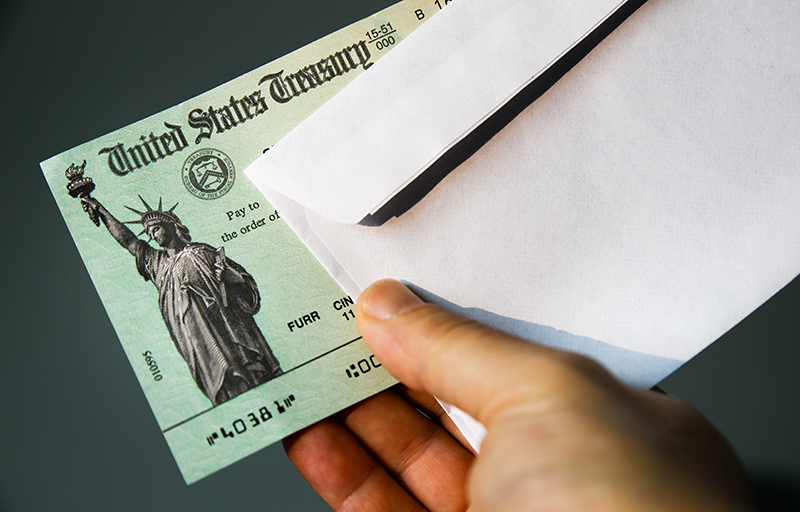
If you’re expecting a tax refund, it’s easy to start planning how you’ll use it. But here’s the key rule: if you still have prior year tax liabilities (called back taxes), the IRS may take some or all of your refund and use it to pay what you owe. This is called an offset.
Refund offsets (and why they happen)
An offset means your refund is used to pay an overdue debt first. This can happen for back federal taxes, past-due child support, unpaid state income taxes, and some federal debts (like defaulted federal student loans or other money owed to the government that isn’t taxes).
Why this can be surprising (especially if you file jointly):
When you file together, the whole refund can be taken for certain past-due debts—even if only one spouse created the debt.
Example: Rosa and Ken file together. Rosa had extra taxes taken out all year, so she expects a refund. However, Ken has an old child support balance from before they married, and the refund gets taken to pay it. (Later, we’ll cover “injured spouse,” which may help in situations like this.)
How to avoid surprises:
The best way to protect a future refund is to pay what you owe before you file. If you can’t do that, do not plan to receive a refund check while you still have a balance due.
Example: If you owe $1,200 from a previous year and you’re expecting a $900 refund, the IRS may apply the $900 to your debt.
If you need that refund for something urgent—like rent, childcare, or a car repair—make a backup plan in case the refund is offset. And if you keep owing money each year, consider changing your withholding so you’re closer to “breaking even” at tax time.
How you’ll know an offset happened:
Usually, you’ll get a letter that says all or part of your refund was used to pay a debt. If the offset wasn’t used for an IRS tax debt, it is handled through a federal program called the Treasury Offset Program (TOP).
- Look for a letter. It usually shows your refund amount and the amount that was taken.
- Not sure who took your refund? Call TOP at (800) 304-3107 to identify the debt and determine which agency to contact.
What about a payment plan?
An installment agreement is a payment plan with the IRS. It can help you stay on track, but it usually doesn't protect future refunds—if you’re due a refund while you still owe, the IRS can apply it to your balance. Even if you’re doing everything right on a payment plan, refunds don’t get special protection.
What you can do next:
- “Injured spouse” (Form 8379). If you filed jointly and the refund was taken for a debt that belongs only to your spouse, you may be able to ask for your share back by filing IRS Form 8379.
- Offer in Compromise. If paying your IRS debt in full is unrealistic, you may be able to apply to settle for less than the full amount owed.
- Filing choices. Some couples consider filing separately to avoid a refund being applied to a spouse’s separate debt, but this may result in a higher tax bill—compare both options before filing to determine which will be more beneficial.
TaxAudit’s Tax Debt Relief assistance is run by credentialed tax professionals who can review your situation and explain possible next steps.
A quick note for military service members
Military service members: If your service makes it hard to pay a tax balance due, you may be able to request a temporary collection delay. To learn more, see IRS Publication 3 (Armed Forces’ Tax Guide).
Do you owe money to the IRS or State?

Robin Scott-Hutchens, EA
Corporate Trainer