Clean Vehicle Tax Credit | What You Should Know
August 12, 2026 by Charla Suaste
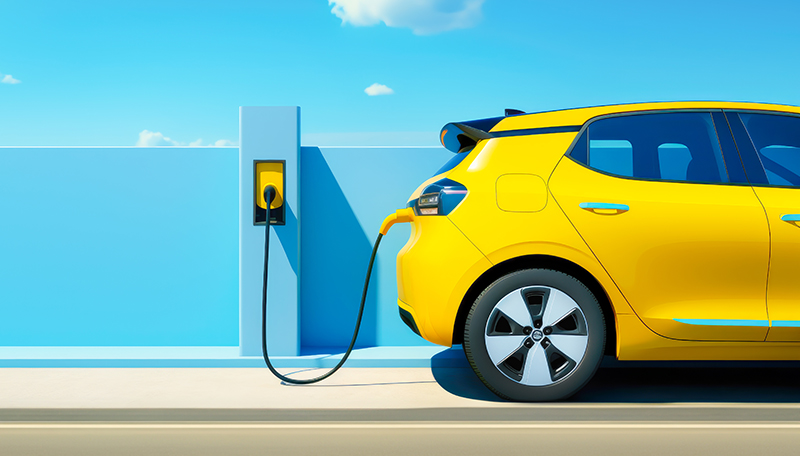
If you're hoping to get a federal Clean Vehicle Tax Credit, everything now comes down to one date: September 30, 2025. Under the new One Big Beautiful Bill Act (OBBBA), Congress has ended these credits for any vehicle purchased after that deadline.
The good news? If you beat the clock, those massive savings are yours for the taking! This nonrefundable credit is up to $7,500. (A nonrefundable credit is one that can reduce your tax due to $0, but any excess amount of the credit will not be refunded. Whereas refundable credits, like the Earned Income Tax Credit, can generate a refund.) For the 2026 tax season, the focus is all about securing your win: making sure your vehicle was bought on time, the credit was filed correctly, and your paperwork is locked in.
What Changed
Before this change, many taxpayers expected the clean vehicle incentives to remain available for qualified vehicles placed in service before January 1, 2033. The updated IRS guidance now states that the credit is no longer available for vehicles acquired after September 30, 2025. That applies to new clean vehicles, previously owned clean vehicles, and qualified commercial clean vehicles. The result is straightforward: If a taxpayer bought or plans to buy a vehicle after that deadline, the federal clean vehicle credit is not available. If the taxpayer acquired the vehicle on or before that date, the next step is to verify that all other requirements were satisfied.
Why Timing Matters
For eligible transactions, it is important to understand two crucial terms: “acquired” and “placed in service.” In this specific context, "acquired" refers to the exact date you legally locked in the purchase of the vehicle; “placed in service” is the day you physically drove it home. The IRS requires that taxpayers demonstrate they acquired the vehicle by entering into a binding written contract and making a payment on or before September 30, 2025. This is one of the most important factual questions in any clean vehicle credit review. A signed purchase agreement, deposit records, financing documents, and delivery records all matter.
Can I still claim the clean vehicle credit if I purchased it by September 30, 2025, but didn’t receive it until later?
Let’s face it: Delays have become the norm. Insufficient parts supplies, trade wars, and natural disasters have slowed the flow of commerce. So, what happens if you purchased a qualified clean vehicle by September 30, 2025, but you cannot take possession of it until later in 2025 or the beginning of 2026? Does this mean your dreams of a nice federal tax credit for the year are dashed? Thankfully, the answer is “no.” As long as you acquire your qualified new clean vehicle by September 30, 2025, by signing the contract and making a payment (which can be either a nominal down payment or a vehicle trade-in), you can take possession of your shiny new car after September 30, 2025. Let’s look at an example.
Moira was looking for a more fuel-efficient car and decided she wanted to buy a new electric vehicle. She went to the dealership and found the electric car of her dreams. However, she wanted the car’s paint color to be a sunshine yellow and the inside upholstery to be pale pink. The dealer told Moira this was possible, but it would take a couple of extra months to have the car delivered. Moira agreed, signed the contract, and made a down payment on September 15, 2025. Even though Moira took possession of her new, pink-lemonade-qualified electric vehicle on December 22, 2025, she can still claim the Clean Vehicle Credit when she files her 2025 individual return if all the other credit requirements are met.
What if there was a delay and Moira didn’t receive the vehicle until January 12, 2026? While Moira could not take the credit on her 2025 return, she can claim the credit when she files her 2026 individual income tax return in February 2027. Although taxpayers are required to have purchased their new clean vehicle by September 30, 2025, the credit cannot be claimed until the taxpayer takes possession of the vehicle. When Moira files her 2026 tax return, she will need to follow the 2026 credit qualifications.
Required Documentation
It is important to note that, even if the acquisition date is timely, the credit is not automatic. The seller or dealer must register and report required information (such as the sale date and price, make and model of the car, etc.) to the IRS. If that reporting was not completed properly, the vehicle may not qualify.
Taxpayers should also make sure the vehicle met all the rules when they bought it, including where it was assembled, battery sourcing, and price caps. Used vehicles have extra rules, like dealer requirements and lower price limits. Ultimately, getting the credit depends on whether your paperwork matches your tax claim. Remember, the dealer is required to provide you with a copy of the paperwork showing the car was registered and reported to the IRS.
Bottom Line
If a taxpayer acquired a qualifying vehicle on or before September 30, 2025, the credit may still be available if the facts and documentation support it. If the vehicle was acquired after that date, the federal clean vehicle credits generally no longer apply. For anyone unsure about eligibility, the best next step is to review their purchase documents, confirm the dealer’s reporting, and compare the facts against current IRS guidance. In a tax audit or notice situation, those details can make the difference between sustaining the credit and losing it.