The IRS Cohan Rule and Disorganized Documents in Court
July 10, 2026 by Charla Suaste
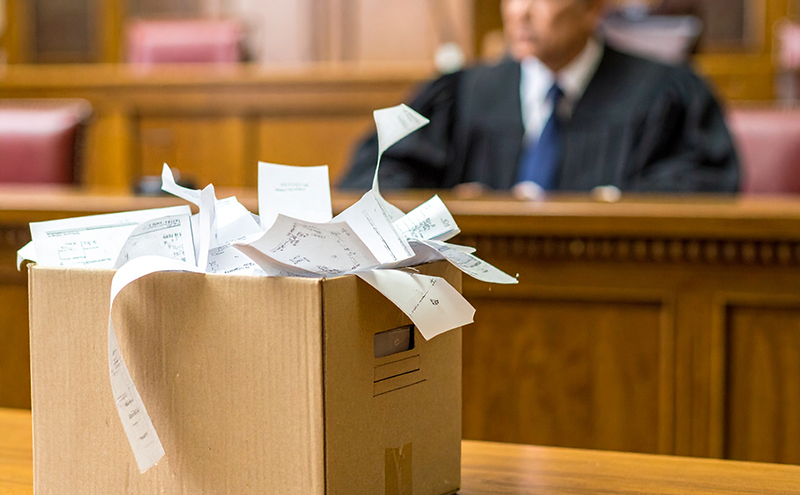
One of the most important parts of preparing and filing your tax return is ensuring that you have the necessary documentation to prove the items you are claiming. This includes everything from the income you reported to deductions and losses you are claiming. However, the IRS also recognizes that extraneous circumstances, such as a fire or natural disaster, may prevent taxpayers from proving their claims during an audit.
This is where the “Cohan Rule” may come in.
In tax audits, the Cohan Rule is often seen as a fallback for taxpayers who don’t have perfect records. Based on a 1930 court case, the rule allows the Tax Court to make a reasonable estimate when receipts are missing, as long as there is a credible, factual basis on which they can estimate the expenses.
In short, the rule is most likely to be considered when:
- Expenses were clearly incurred
- Records were legitimately lost or destroyed, or otherwise unavailable
- The taxpayer provides credible secondary evidence (testimony, reconstruction, third‑party support)
Disorganized Documents Don’t Fly in Court
Here is the part where many taxpayers get into trouble. They show up to court with an array of documents in no particular order and think they can use the Cohan Rule to justify poorly organized documentation. This, unfortunately, is incorrect.
In a recent court case, a taxpayer learned this lesson the hard way. It appeared that they had boxes of documentation. However, instead of organizing the documents to prove specific expenses, the taxpayer attempted to hand the mess to the judge and said, "It's in there somewhere. If you can't find it, just use the Cohan Rule to estimate my deduction."
The judge denied this proposal and the deductions claimed in that individual’s return. Why? Because the Cohan Rule is meant to help people who cannot produce records. If you have the records but you are simply too lazy or disorganized to put them in order, the court will not do your homework for you. The taxpayer’s expectation that the judge would spend hours sorting through a box of paper was unreasonable.
Why the Court Refused to Help
The court’s logic is simple: If you have the evidence, you must present it clearly. Here is why being disorganized fails in court:
- The Burden of Proof: In a tax case, the "burden of proof" is on you. This means it is your job to prove the IRS is wrong, not the IRS’s job (or the court’s) to prove you are right.
- The "Available Evidence" Standard: If the court knows that documents exist, they won't estimate. They want real numbers. If you don't provide them, they will disallow the claims made on your return.
- Respect for the Court’s Time: Judges have hundreds of cases. They do not have the time (or the legal obligation) to act as your personal bookkeeper or accountant.
How to Be Prepared Prior to an Audit
Organizing documentation is not fun in the moment – but it does prove to be beneficial come tax time, or in the event of an audit. Here are some tips on how to get started now:
- Categorize as You Go: Don't wait until tax season to get organized. Put a non-negotiable weekly or monthly appointment on your calendar to organize all your receipts.
- Keep it Digital: Scan everything and file accordingly, whether by month or by the expense category. If you use financial software, like Quicken, you can also attach the receipt directly to the payment. This will make your receipts easier to find later. You can also use paper records, but if these are destroyed in a fire or flood, they may be difficult to reconstruct.
- Match Your Statements: Ensure your receipts match the withdrawals on your bank statements or your credit card statements.
The Bottom Line
The Cohan Rule is a safety net for people who have lost records. It is not a shortcut for people who keep their records in a shoebox. If you want the IRS or a judge to allow your deductions, being organized is the best way to expedite this process.
Want peace of mind?

Charla Suaste
Communications Content Developer